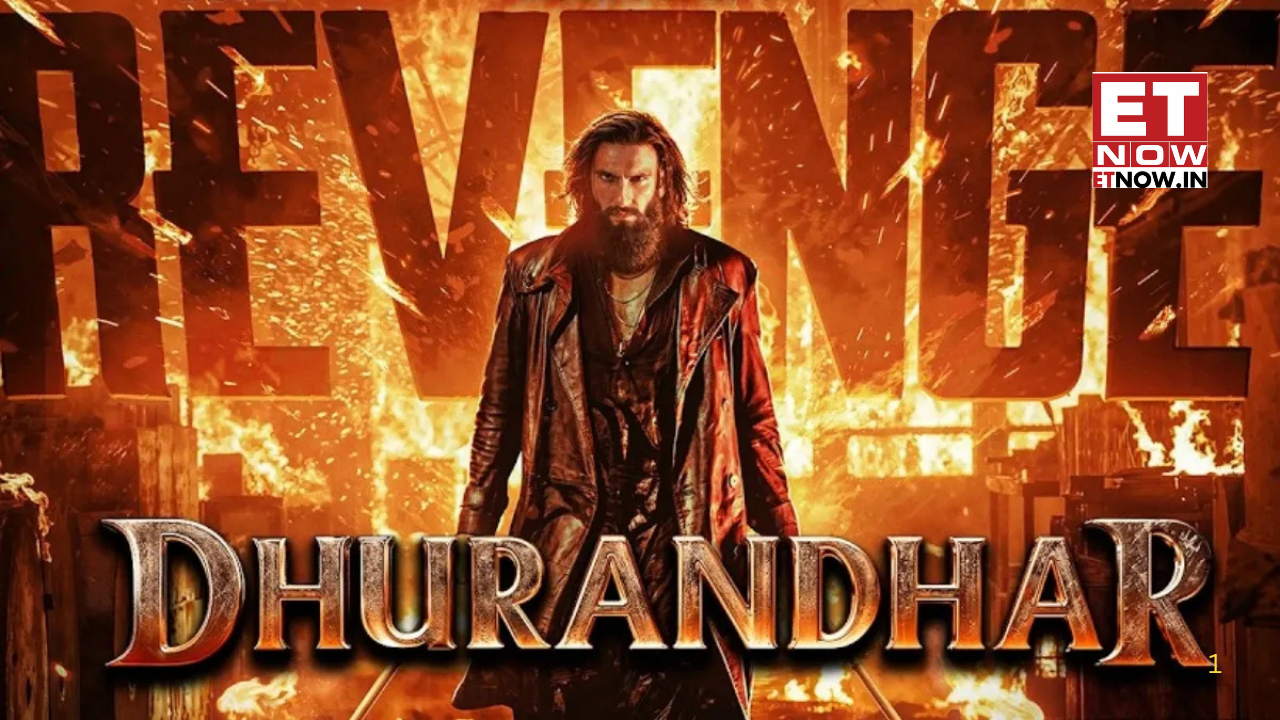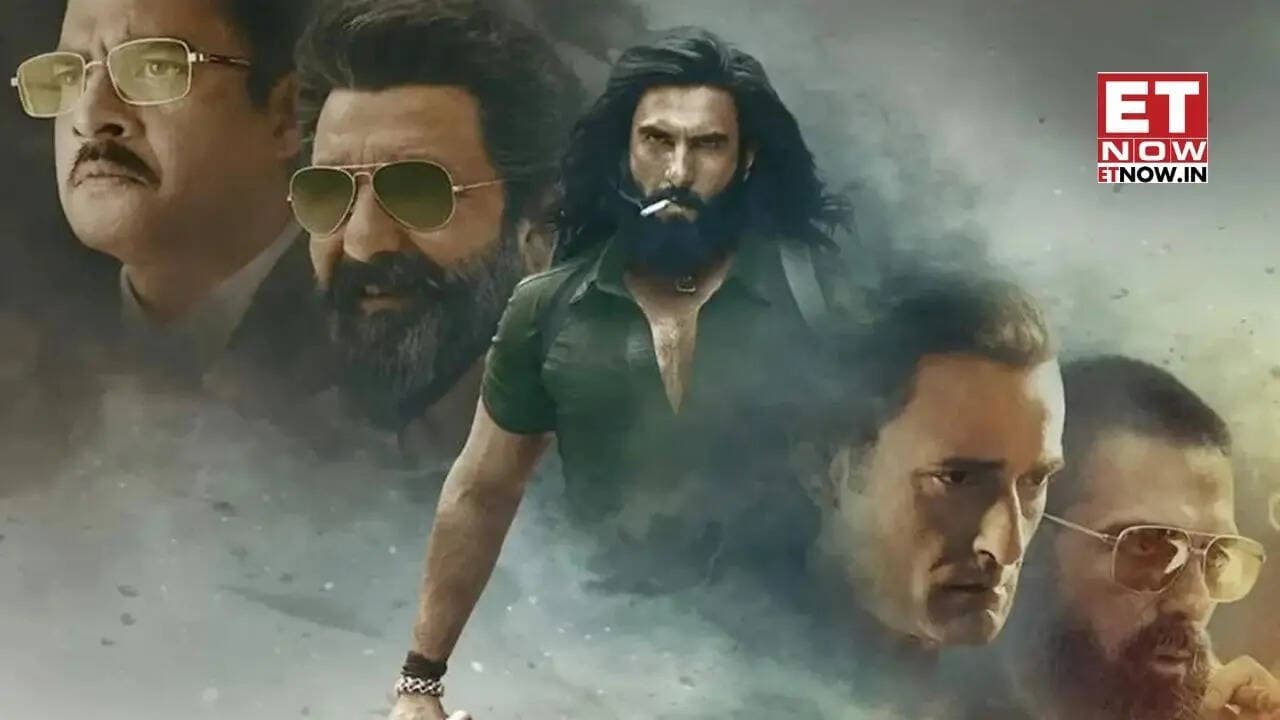
Before watching Ranveer Singh’s Dhurandhar: The Revenge today, revisit this DETAILED RECAP of key moments, hidden twists and characters you must remember from first film
Before watching Dhurandhar 2: There’s a certain kind of film that doesn’t just entertain—it lingers, demands attention, and quietly pieces together a larger narrative long after the credits roll. Dhurandhar was one such film. It wasn’t merely about action or espionage; it was about the uneasy intersections of politics, identity, and sacrifice. As Dhurandhar 2 gears up for release, the buzz is not just around its scale or star power, but around the layered story it continues. If you’re walking into the sequel, a quick mental rewind of the first instalment isn’t just helpful—it’s essential. The film’s world is dense, its characters morally complex, and its turning points deeply tied to real-world events. Here’s a crisp yet immersive recap of what truly mattered the first time around. The beginning of a covert mission that changed everything The roots of Dhurandhar lie in one of India’s most defining moments—the 2001 Parliament attack. In the aftermath, the country’s intelligence machinery is shown recalibrating its approach to cross-border terrorism. At the centre of this shift is Ajay Sanyal, Director of the Intelligence Bureau, who pitches a bold, risky plan—Operation Dhurandhar—to External Affairs Minister Devavrat Kapoor. The idea is simple in theory but dangerous in execution: send an Indian operative deep inside enemy territory under a false identity. Enter Hamza Ali Mazari, a man who appears to be just another recruit but is, in reality, part of a much larger design. From the very beginning, the film establishes that this isn’t a straightforward spy story—it’s about how far a nation is willing to go to protect itself. A calculated entry into the underworld Hamza’s journey into Pakistan’s crime network isn’t accidental; it’s carefully engineered. With the help of Mohammed Aalam, a seemingly ordinary juice seller with valuable street intelligence, Hamza uncovers a plot by a rival Pathan gang to assassinate Rehman Dakait’s son during a wedding. What follows is a turning point that cements Hamza’s position: The assassination attempt goes wrong, leading to the death of Rehman’s elder sonHamza manages to save the younger son, earning Rehman’s trustThis act of loyalty grants him entry into one of the most dangerous criminal networks in LyariIt’s a classic infiltration move, but the emotional cost begins to show. Hamza isn’t just playing a role anymore—he’s living it. The shadow of Major Iqbal and the larger conspiracy As Hamza embeds himself deeper, the story expands beyond gang wars into geopolitical territory. Rehman Dakait’s operations intersect with Major Iqbal, a key figure in Pakistan’s Inter-Services Intelligence (ISI). Their alliance is built on a dangerous exchange—arms, logistics, and influence. The narrative takes a chilling turn when it links Major Iqbal to the 26/11 Mumbai terror attacks. This connection raises the stakes significantly. What initially seemed like a mission to dismantle a local crime syndicate now reveals itself as part of a much larger, more sinister network. Did you know? The film subtly mirrors real-world intelligence operations where criminal networks are often used as proxies in larger geopolitical conflicts. This blurred line between crime and state machinery is what gives Dhurandhar its edge. A shift driven by grief, rage, and survival The 26/11 attacks become a deeply personal turning point for Hamza. What began as a mission now transforms into something more visceral. Traumatised and driven by anger, he chooses to realign his loyalties—not outwardly, but strategically. He joins forces with Jameel and Karachi police officer Chaudhary Aslam, both of whom have their own reasons to take down Rehman Dakait. This phase of the story is marked by emotional and moral complexity: Hamza marries Yalina, Jameel’s daughter, further embedding himself into the networkHis objective evolves from infiltration to domination of Lyari’s underworldThe lines between duty and personal vendetta begin to blurThis is where the film truly tests its protagonist. Is he still an agent following orders, or has he become something else entirely? The truth behind Hamza’s identity Just when the narrative seems to settle, Dhurandhar pulls off its most powerful reveal. After eliminating Rehman Dakait, the story flashes back to uncover Hamza’s real identity. He is not who he claimed to be. Hamza Ali Mazari is actually Jaskirat Singh Rangi—an Indian death-row convict who was recruited by Ajay Sanyal for a covert operation known as Operation Sindoor. This revelation reframes everything the audience has seen so far. His actions, his choices, even his emotional struggles—suddenly, they carry a different weight. Did you know? The trope of using convicts for high-risk missions has appeared in global cinema, but Dhurandhar grounds it in a distinctly Indian geopolitical context, making it feel both fresh and unsettlingly plausible. What to expect from Dhurandhar 2 With such a layered foundation, Dhurandhar 2 isn’t just a continuation—it’s an escalation. Starring Ranveer Singh alongside Arjun Rampal, Sanjay Dutt, R. Madhavan, Sara Arjun, Rakesh Bedi, Danish Pandor and Gaurav Gera, the sequel promises to build on unresolved tensions, deeper conspiracies, and the psychological aftermath of the first film’s events. Set to release on March 19, the film arrives with high expectations—not just for its action and scale, but for how it expands a story that was never just about one mission. If the first part asked what it takes to infiltrate an enemy system, the sequel may well ask what it costs to survive it. Revisiting these key moments doesn’t just refresh your memory—it sharpens your perspective. Because in the world of Dhurandhar, nothing is accidental, and every decision leaves a mark.