Pakistani singer Hasan Jahangir reveals he earned over Rs 46 lakh for just 10 seconds of ‘Hawa Hawa’ in Dhurandhar, says makers took permission and paid fully
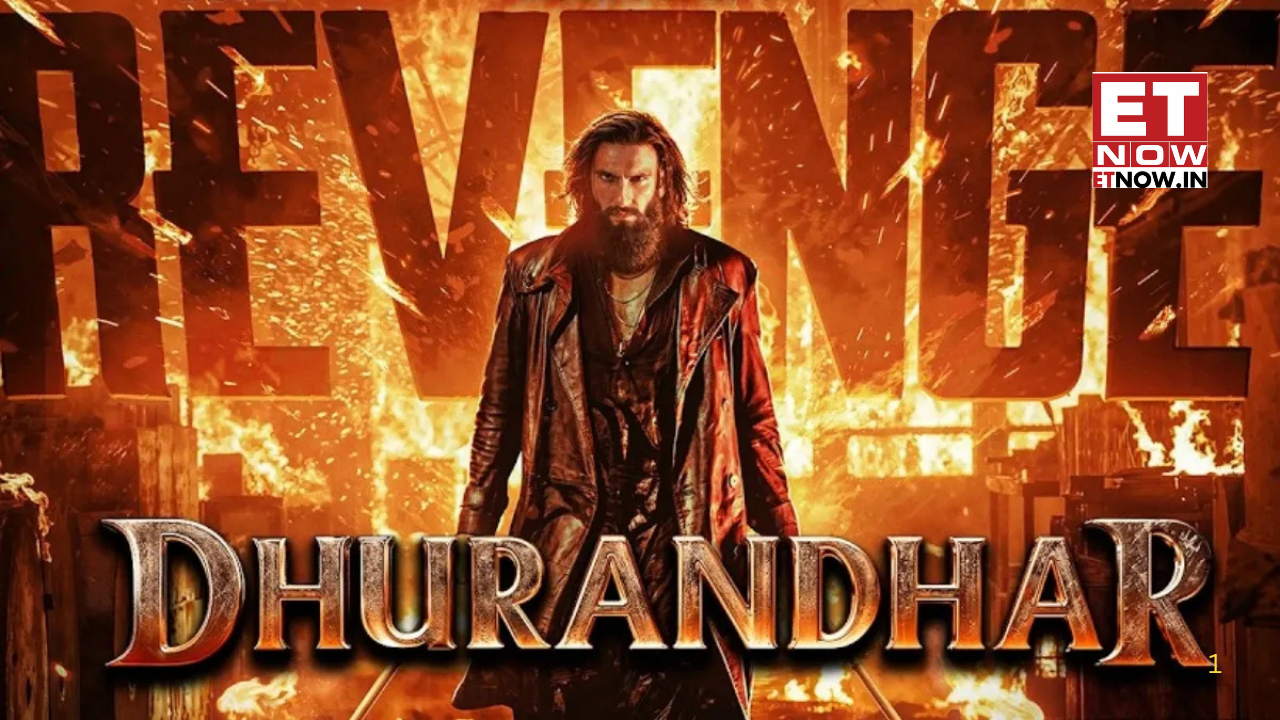
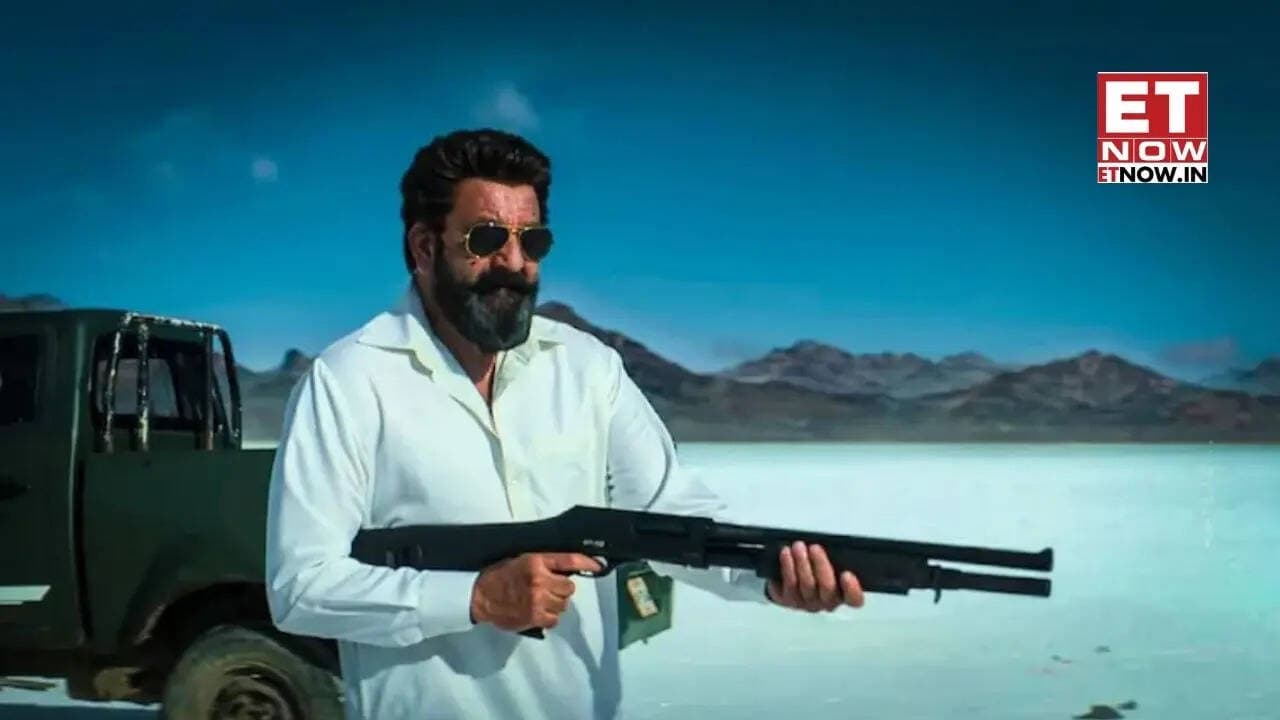
Pakistani singer Hasan Jahangir: In an industry where nostalgia often becomes a shortcut, it is rare to see it handled with both respect and precision. That is exactly what seems to have happened with Hawa Hawa—a song that has travelled across decades, borders and formats—now finding itself at the centre of a fresh conversation thanks to Dhurandhar. Just days before the film’s release, Pakistani pop icon Hasan Jahangir quietly revealed something that instantly caught attention: he was paid a substantial fee for a fleeting use of his song. Not for a remake. Not for a full sequence. But for barely ten seconds. That detail alone says a lot about how the rules of the industry have changed—and how older music continues to command real value in today’s cinematic landscape. Pakistani singer Hasan Jahangir: The Rs 46 lakh moment: A brief use, a big payment Hasan Jahangir disclosed that the makers of Dhurandhar paid him $50,000—roughly Rs 46 lakh—for using Hawa Hawa. The usage itself was brief, but the price tag wasn’t. The singer shared this during a candid appearance on Nida Yasir’s Ramadan show Shan-e-Sahoor on ARY Digital. When asked whether he had been compensated for the song’s inclusion, his answer was direct and telling: yes, he was paid—and permission was formally taken. It’s a detail that stands out in an industry where such transparency is still uncommon. Copyright, then and now: A shift Jahangir has witnessed first-hand Jahangir’s comments weren’t just about the money. They also offered a glimpse into how dramatically the music business has evolved. He pointed out that when Hawa Hawa was originally recorded in 1986 and released in 1987, there was little clarity around copyright enforcement. Songs travelled freely, often without formal permissions or financial compensation. Today, that has changed. Every use now requires explicit permission from the original creatorPayments are structured, negotiated and legally documentedFor Jahangir, this shift isn’t just about earnings—it is about recognition. A song that once moved across borders informally is now protected, valued and credited. Pakistani singer Hasan Jahangir: A song that refuses to age Hawa Hawa is not just another retro track. It is one of those rare songs that seems to exist outside time. Built on infectious rhythm and an instantly recognisable hook, it has managed to stay relevant even for listeners who do not understand the language. Interestingly, the tune itself draws inspiration from the 1970s Persian track Havar Havar by Kourosh Yaghmaei—making it a cultural bridge even before it became a pop phenomenon. Jahangir has often said that the song’s strength lies in its beat. It doesn’t demand comprehension; it invites instinct. You don’t need to know the lyrics to move with it. How Dhurandhar uses the track In Dhurandhar, the song is used during the introduction of SP Aslam, played by Sanjay Dutt. The sequence unfolds in a stark white desert, where the character is shown tracking down drug peddlers. The contrast is deliberate. The playful, almost mischievous energy of Hawa Hawa runs alongside a harsh, violent setting—adding a layer of unpredictability to the character. It is not just background music; it becomes part of the storytelling. And perhaps that explains why even a 10-second slice of the song carries such weight. Why this moment matters beyond the film This isn’t just a story about a song or a payment. It reflects a larger shift in how cinema treats legacy content. Older tracks are no longer used casually—they are curated and contextualisedCreators from previous generations are now part of the financial ecosystem, not just its history It also signals something else: audiences today respond strongly to familiarity, but only when it is used thoughtfully. Did you know? Hawa Hawa was recorded a year before its official release, in 1986, and launched in 1987The song’s melody traces back to Iranian rock influences, making it one of the early cross-cultural pop hits in South Asia https://www.youtube.com/watch?v=X8t8axbZnH8The bigger picture: Nostalgia with accountability As Dhurandhar 2 released on March 19, with paid previews already generating buzz, this revelation adds an interesting layer to the film’s narrative—off-screen and on-screen. Directed by Aditya Dhar and featuring Ranveer Singh, Sanjay Dutt, R. Madhavan and Arjun Rampal, the franchise has already established itself as a major box office force. But beyond the scale and spectacle, it is decisions like these—paying for a 10-second clip, crediting its creator—that quietly redefine industry standards. Because sometimes, the most telling stories around a film are not the ones playing on screen—but the ones that explain how it was made.