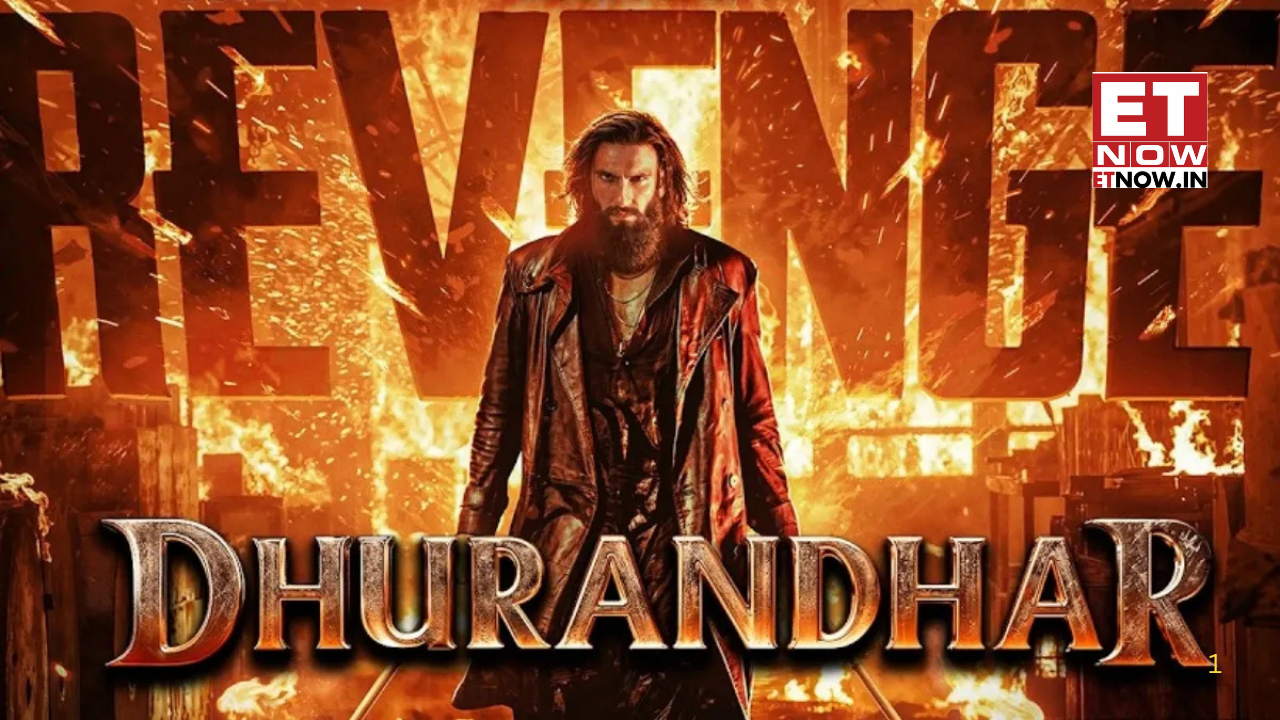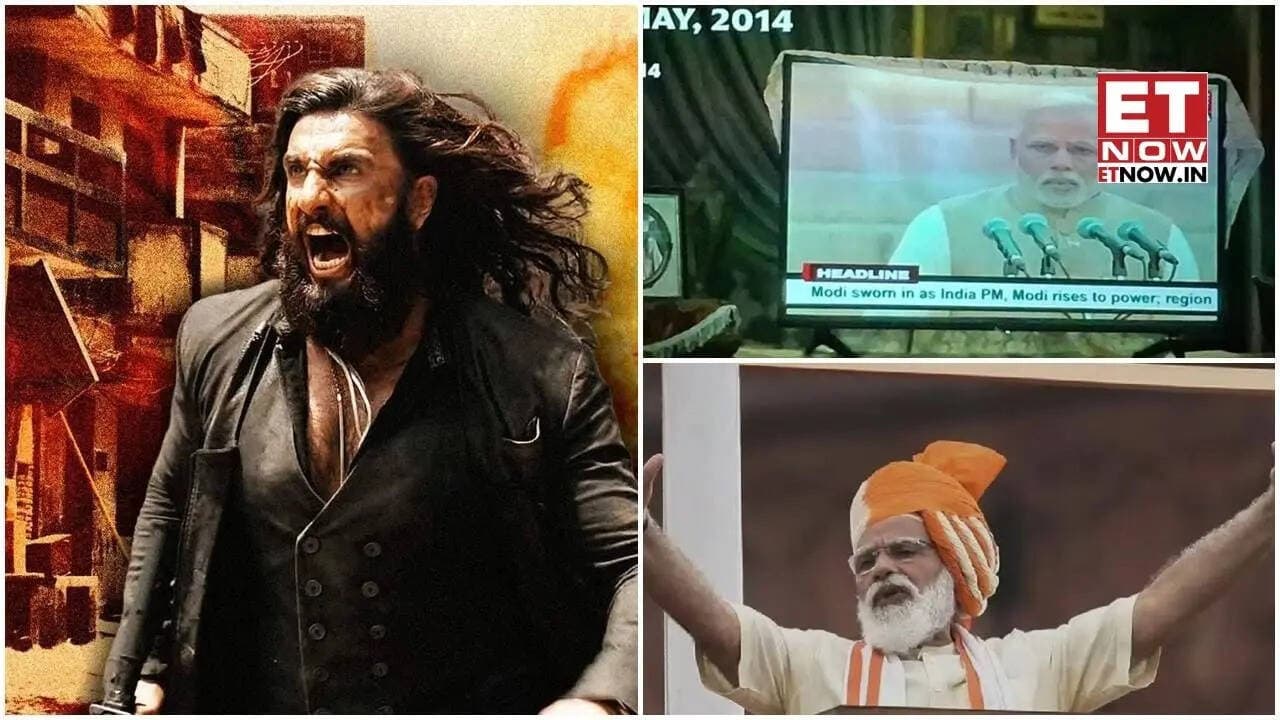
PM Modi in Dhurandhar 2? Truth about his ‘Cameo’ in Ranveer Singh, Aditya Dhar film
Dhurandhar 2: If you’ve stepped out of a theatre screening of Dhurandhar: The Revenge or simply scrolled through social media over the past 24 hours, chances are you’ve seen the same claim pop up repeatedly — did Prime Minister Narendra Modi just appear in the film? It sounds like one of those exaggerated internet rumours at first, the kind that builds hype ahead of a big-ticket release. But this time, the chatter isn’t entirely unfounded. Aditya Dhar’s much-anticipated sequel, headlined by Ranveer Singh, thrives on blurring the line between fiction and reality. And it is precisely this storytelling style that has triggered both excitement and debate. As paid previews rolled out on 18 March, audiences quickly realised that the film does, in fact, incorporate real-world political footage — including moments featuring PM Modi — leading to cheers inside cinema halls and a flood of reactions online. So, is it really a cameo? Technically, yes — but not in the conventional, cinematic sense. PM Narendra Modi does not act in the film or shoot a dedicated appearance. Instead, Dhurandhar: The Revenge uses archival, real-life footage of the Prime Minister at key historical moments. These include visuals from: His 2014 oath-taking ceremony after the Lok Sabha victoryExcerpts from his widely discussed demonetisation address on 8 November 2016Public speeches that are woven into the narrative backdrop The intent, according to early reports and industry chatter, is to ground the film’s high-stakes political drama in recognisable reality. Dhar appears to be using these moments not as a gimmick, but as a narrative device — one that reinforces the film’s themes of power, nationalism, and systemic upheaval. Why audiences are reacting so strongly What’s interesting is not just the inclusion, but the reaction it has triggered. During preview screenings, several viewers reportedly cheered, clapped, and even shouted slogans when Modi’s visuals appeared on screen. Social media has since amplified this response, with clips circulating rapidly and users jokingly suggesting that the Prime Minister deserves a “Best Supporting Actor” mention. This kind of audience participation is rare — and it speaks to how deeply political imagery, when merged with mainstream cinema, can evoke emotional responses. Whether one agrees with it or not, the moment is undeniably theatrical. A deliberate creative choice by Aditya Dhar Aditya Dhar is no stranger to politically charged storytelling. With Dhurandhar (2025), he had already established a world rooted in real geopolitical tensions, covert operations, and national security narratives. The sequel simply pushes that boundary further. By integrating real footage, Dhar avoids fictionalising certain events altogether. Instead, he places his characters within a recognisable timeline, making the story feel immediate and, at times, uncomfortably real. It is a risky move — but one that aligns with his signature style. The controversy you can’t ignore Of course, the decision hasn’t come without criticism. Some viewers and commentators have questioned whether using real political footage in a commercial film crosses into the territory of propagandaOthers argue that cinema has always borrowed from real events, and this is simply a modern extension of that traditionThe debate has only intensified after reports suggested that the Central Board of Film Certification (CBFC) recommended multiple cuts before granting the film an ‘A’ certificate. While the final version retains Modi-related visuals, the discussions around censorship and intent continue to simmer. Did you know? One fascinating aspect here is how rare such inclusions are in Indian mainstream cinema. While films have referenced real leaders or events before, using actual archival footage of a sitting Prime Minister within a fictional narrative is still unusual — especially in a mass-market, pan-India blockbuster. The bigger picture: realism vs perception At its core, the question isn’t just about whether PM Modi appears in Dhurandhar: The Revenge. It’s about how and why he appears. The film doesn’t position him as a character within its fictional universe. Instead, it uses his real-life presence as a backdrop — almost like a historical anchor that shapes the story’s environment. Whether viewers interpret this as immersive storytelling or political signalling largely depends on personal perspective. Yes, PM Narendra Modi does feature in Dhurandhar: The Revenge — but through real archival footage, not a scripted cameo. It’s a creative decision that has added to the film’s buzz, sparked conversations across platforms, and, in true Dhar fashion, ensured that the film stays in the headlines well beyond its release weekend. Love it or question it, one thing is clear — this is not just a film people are watching. It’s a film people are talking about.