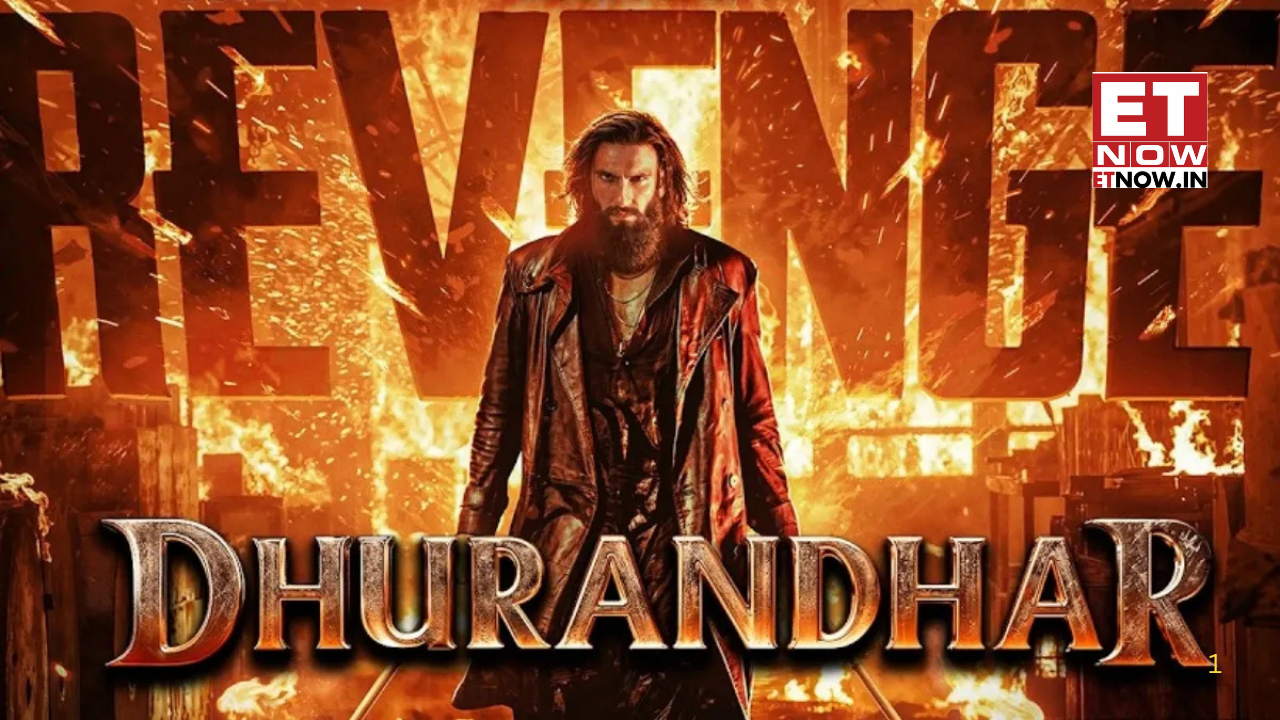
The Real Story Behind Ranveer Singh’s Dhurandhar: The Revenge Didi song by Khaled: How Aditya Dhar reimagined a 1992 raï classic into a global anthem revived on screen
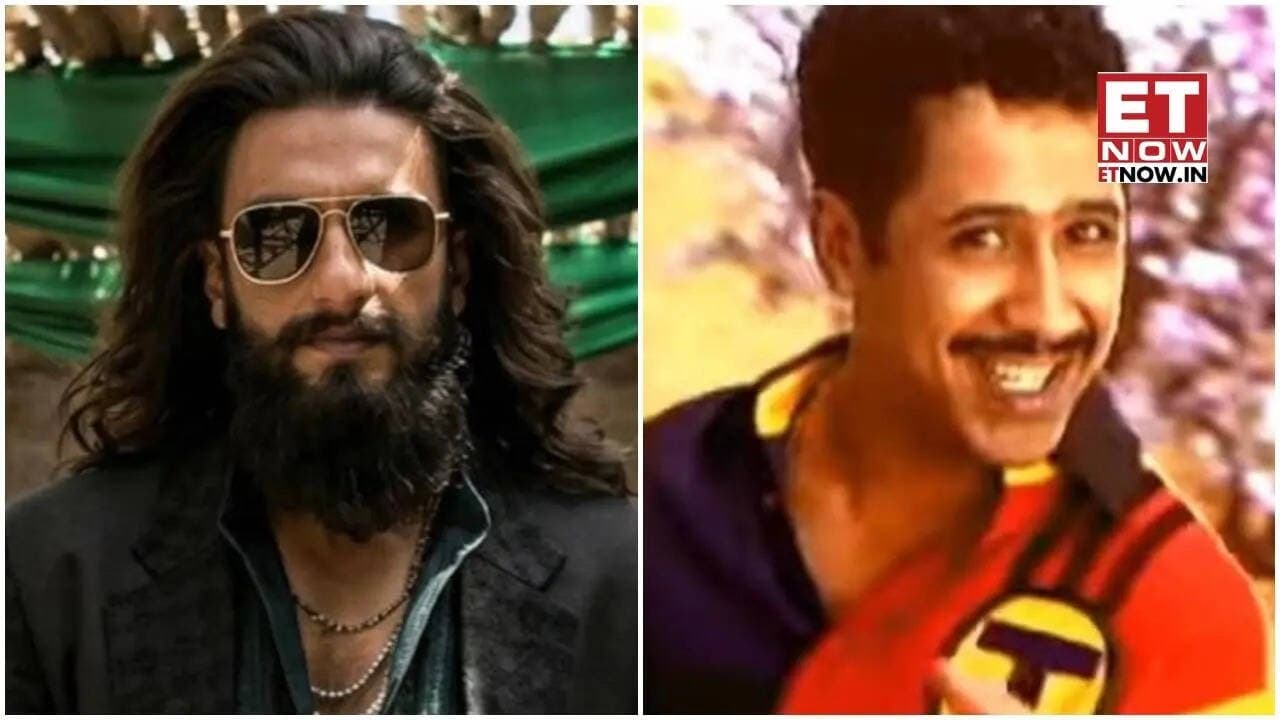
The Real Story: There are songs that fade with time—and then there are songs that travel across decades, continents and cultures, quietly refusing to age. “Didi” belongs firmly in the latter category. First heard in the early 1990s, it has lived many lives: in clubs, at weddings, across radio stations, and now, in a striking new avatar in Dhurandhar: The Revenge. But behind this instantly recognisable track is a man whose journey is as compelling as the music itself. Khaled—often introduced as Cheb Khaled—is not just the singer of “Didi”; he is the artist who carried Algerian raï music from local streets to global stages. And in 2026, his voice once again finds cinematic relevance, this time in Aditya Dhar’s high-octane universe. The Real Story: From Oran to the world—The making of a global icon Khaled Hadj Ibrahim was born in Oran, Algeria, in 1960—a city often described as the heartbeat of raï music. He began singing as a teenager, adopting the prefix “Cheb”, which simply meant “young”, a common title among raï artists at the time. What set him apart early on was his instinct to experiment. Instead of staying confined within traditional sounds, he blended raï with Western instruments, jazz influences and pop structures. That willingness to break form turned him from a local sensation into an international name. By the late 1980s, political unrest in Algeria pushed him to move to France, a decision that would shape his career in unexpected ways. It was here that he found a wider audience—and eventually recorded the album that would change everything. The birth of ‘Didi’: A song that crossed borders effortlessly Released in 1992 as part of his self-titled album, “Didi” was never designed to be a global anthem. Yet, almost overnight, it became one. The song’s infectious rhythm, combined with Khaled’s distinctive vocal style, made it impossible to ignore. It climbed charts across Europe, the Middle East and parts of Asia. In France, it broke barriers by entering the Top 10—an unusual feat for a song sung in Algerian Arabic at the time. Interestingly, the song’s appeal lay in its simplicity. You didn’t need to understand the language to feel its energy. It was celebratory, rhythmic and deeply rooted in culture, yet universal in emotion. Did you know? “Didi” stayed on the French Top 50 chart for nearly five months.It topped charts in countries like Switzerland, Belgium and Egypt.The track later featured in global events, including the 2010 FIFA World Cup celebrations. The music video, directed by Philippe Gautier and featuring actress Valeria Golino, added a cinematic layer to its appeal—something that perhaps explains why filmmakers continue to revisit it decades later. Why ‘Didi’ still resonates in India India’s relationship with “Didi” is not accidental. Long before streaming platforms made global music accessible, the track had already found its way into Indian playlists. Its melody, structure and rhythm influenced several adaptations over the years. Many listeners noticed echoes of it in Bollywood compositions, including “Dil Cheez Tujhe Dedi” from Airlift (2016), proving how deeply it had seeped into the country’s musical consciousness. There is something about raï music—its emotional intensity paired with dance-friendly beats—that aligns naturally with Indian sensibilities. “Didi” sits right at that intersection. A powerful comeback in Dhurandhar: The Revenge In Aditya Dhar’s Dhurandhar: The Revenge, “Didi” returns—but not as nostalgia. It arrives with purpose. The recreated version, titled “Didi – Sher E Baloch” in the film’s end credits, plays during a dramatic sequence where Ranveer Singh’s character is welcomed by a Baloch group. The moment is grand, layered and deliberately theatrical. And the music amplifies that scale. Rather than simply remixing the track, the film reinterprets it to fit its narrative world—much like how the first Dhurandhar film used “FA9LA” to punctuate a key moment. The soundtrack, composed by Shashwat Sachdev, leans heavily into reimagined classics, blending familiarity with fresh intensity. With music rights held by Saregama, the film builds a soundscape that feels both rooted and cinematic. The man behind the music: Why Khaled is called the ‘King of Raï’ Khaled’s influence goes far beyond a single song. Over the decades, he has sold more than 80 million albums worldwide, making him one of the best-selling Arabic-language artists in history. His discography includes global hits like “Aïcha”, “C’est la vie”, and “Abdel Kader”—each reflecting his ability to evolve while staying true to his roots. His contribution to raï music is often described as transformative. He didn’t just popularise the genre; he redefined it for a global audience. That legacy has earned him multiple international honours, from World Music Awards to recognition across Europe and Asia. A quick look at his legacy: Often credited with taking raï from regional to global stagesGuinness World Record holder for best-selling raï artistCollaborated across genres, including pop and world musicContinues to influence artists decades after his debut https://www.youtube.com/watch?v=tTcnIYYeZI8Clearing the confusion: Khaled is not DJ Khaled It’s a mix-up that refuses to go away. Khaled—the Algerian singer—is often confused with DJ Khaled, the American producer. The two share nothing beyond the name. Khaled (Cheb Khaled) is a pioneer of raï music with a career spanning over four decades, while DJ Khaled belongs to a completely different musical space rooted in hip-hop and production. For anyone discovering “Didi” through Dhurandhar, it’s worth knowing that the voice behind it belongs to a very different legacy.Explaining the real meaning of Didi lyricsAt its heart, “Didi” is not just a celebratory dance track—it is a layered expression of longing, heartbreak and stubborn devotion, wrapped in rhythm so infectious that the pain almost hides in plain sight. The opening lines set the emotional tone immediately: the singer admits he is “burning” in love while knowing that the feeling is not returned, a quiet, almost resigned confession that defines the rest of the song. There is a refusal to walk away—“I won’t go far from you”—which may sound romantic at first, but carries a deeper vulnerability; he stays not out of hope, but to avoid the emptiness that distance would bring. This is reinforced by recurring lines about misfortune and “bad karma”, suggesting that love, for him, is not destiny but a pattern of disappointment he cannot escape.Then comes the famous chorus—“didi, didi”—which, on the surface, feels playful and commanding, almost like an invitation to take the beautiful girl away. But in context, it reads differently. It carries a bittersweet undertone, as if the singer is surrendering, acknowledging that she belongs to a world he cannot hold onto. The repetition, energetic and hypnotic, mirrors the emotional loop he is trapped in—desire, loss, acceptance, and back again. As the song progresses, the imagery becomes more poetic and rooted in metaphor. The idea of climbing the highest mountains just to see her reflects an unwavering attachment—distance, geography, even impossibility mean little when emotion takes over. Yet, this devotion sits alongside a sense of helplessness. The fisherman metaphor—casting a net into the sea only to catch nothing—beautifully captures his luck in love: effort without reward, hope without outcome. Even the lines about her being widely known and admired hint at why she feels unattainable—she is not just his, she belongs to everyone’s gaze, everyone’s admiration.There is also a striking contrast in how he describes her. Her eyes are dreamy, beautiful, almost hypnotic—details that feel intimate and personal. But these moments of tenderness are fleeting, constantly interrupted by the chorus and its louder, almost celebratory tone. It is as if the song itself refuses to dwell too long on sadness, choosing instead to dance through it. That is perhaps what makes “Didi” so timeless. It carries the ache of unrequited love, the stubbornness of desire, and the inevitability of letting go—all disguised within a track that makes you move. You may not understand every word, but you feel the push and pull: love that refuses to fade, even when it knows it should.There’s a reason filmmakers continue to revisit songs like “Didi”. They carry a kind of emotional memory—one that transcends generations. In Dhurandhar: The Revenge, the track doesn’t just add style; it adds history. It connects a modern cinematic moment to a global musical past, reminding audiences that some sounds never lose their power. And perhaps that is Khaled’s greatest achievement. Not just creating a hit—but creating something that continues to find new meaning, decades later.