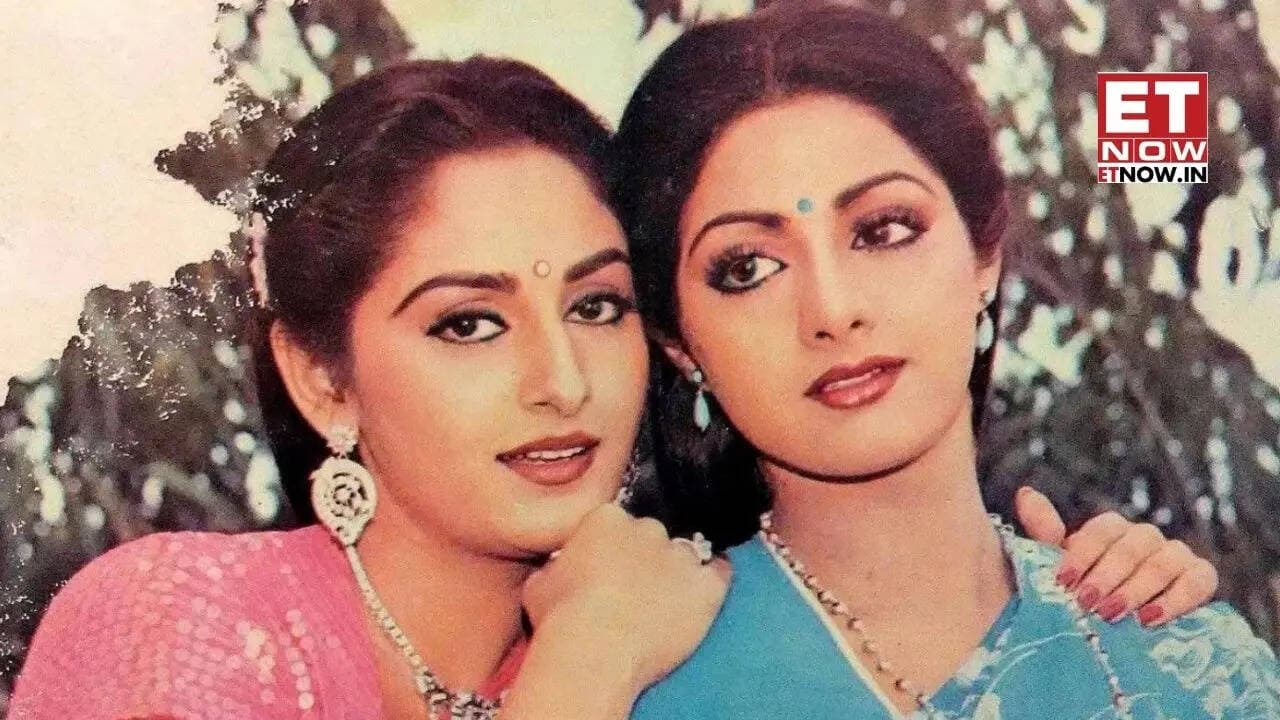
THIS film rejected by Jaya Prada over an unusual on-set demand made Sridevi a superstar overnight — the story behind a game-changing decision
In an era dominated by larger-than-life heroes and dramatic storytelling, actresses were still fighting for space that went beyond being ornamental. Yet, once in a while, a film arrived that flipped the narrative entirely. Nagina (1986) was one such turning point — a film that not only redefined the idea of a female-led blockbuster but also turned Sridevi into a phenomenon. Interestingly, it all began with a rejection. The film that almost had a different face When Nagina was first conceptualised, it wasn’t Sridevi who was meant to headline it. The role was reportedly offered to Jaya Prada, one of the most successful and bankable actresses of that decade. Known for her grace and strong screen presence, she seemed like a natural choice. However, the film came with an unusual demand — it required extensive interaction with live snakes. At a time when visual effects were limited and realism often meant working with actual animals, the prospect was far from easy. Jaya Prada, as widely reported, turned down the role because she was uncomfortable performing alongside real snakes. That single decision opened the door for someone else. Enter Sridevi — and a risk that paid off Director Harmesh Malhotra, who helmed the film, approached Sridevi after Jaya Prada stepped away. What followed would go on to become one of the most iconic casting decisions in Hindi cinema. Sridevi didn’t just accept the role — she embraced its challenges. Acting alongside live snakes, performing physically demanding scenes, and carrying an entire film on her shoulders was no small feat. Malhotra later praised her commitment and willingness to take on something so unconventional. And that risk changed everything. A story that audiences couldn’t look away from At its core, Nagina told a gripping and unusual story. Sridevi played Rajni, a woman who marries Rajiv, a wealthy man. But beneath her calm exterior lies a secret — she is an ichchadhari naagin, a shape-shifting serpent woman. Her marriage is not rooted in love alone, but in revenge. As the story unfolds, Rajni’s past collides with her present, leading to dramatic confrontations, emotional turmoil, and supernatural intrigue. The film balanced romance, revenge, mythology, and suspense in a way that felt fresh for its time. What truly set it apart, however, was that the narrative revolved entirely around its female lead. Why Nagina became a cultural moment The success of Nagina wasn’t just about box office numbers — it reshaped how audiences viewed female-centric films. Sridevi’s performance, especially in the iconic ‘Main Teri Dushman’ dance sequence, became instantly legendaryThe film proved that a heroine-led story could pull massive crowds without relying on a male superstarIt blended folklore with mainstream cinema, creating a genre-defining template that inspired future filmsDid you know? The snake dance sequence remains one of the most recognisable performances in Indian cinema, often referenced and recreated even decades later. The rise of Sridevi as a solo superstar Post Nagina, Sridevi’s career entered an entirely new league. While she was already a popular star, this film cemented her status as the biggest female superstar of the 1980s. What made this achievement remarkable was the context — Hindi cinema at the time was heavily male-driven. Yet here was a film where the heroine was not just central, but the entire narrative revolved around her journey, emotions, and power. It wasn’t just a hit; it was a statement. A sequel that couldn’t recreate the magic Given the film’s massive success, a sequel titled Nigahen: Nagina Part II was released in 1989. Expectations were naturally high, especially with Sridevi returning. However, the sequel failed to capture the charm and novelty of the original. Despite its scale and ambition, it did not perform well at the box office, proving that some stories are best left untouched. The “what if” that still lingers Looking back, it’s fascinating to think how differently things might have unfolded. Had Jaya Prada agreed to the role, the film’s legacy — and perhaps even Sridevi’s trajectory — could have been entirely different. But cinema often thrives on such unexpected turns. A rejection rooted in discomfort led to one of Bollywood’s most iconic performancesA risky role turned into a career-defining momentA single casting decision helped shape the idea of the female superstar in Hindi cinemaAnd that’s the magic of films — sometimes, what doesn’t happen is just as important as what does. More than just a film Today, Nagina is remembered not merely as a blockbuster, but as a cultural landmark. It pushed boundaries, challenged norms, and gave Hindi cinema one of its most unforgettable performances. And at the heart of it all was a choice — one actress stepping away, and another stepping in to create history.s