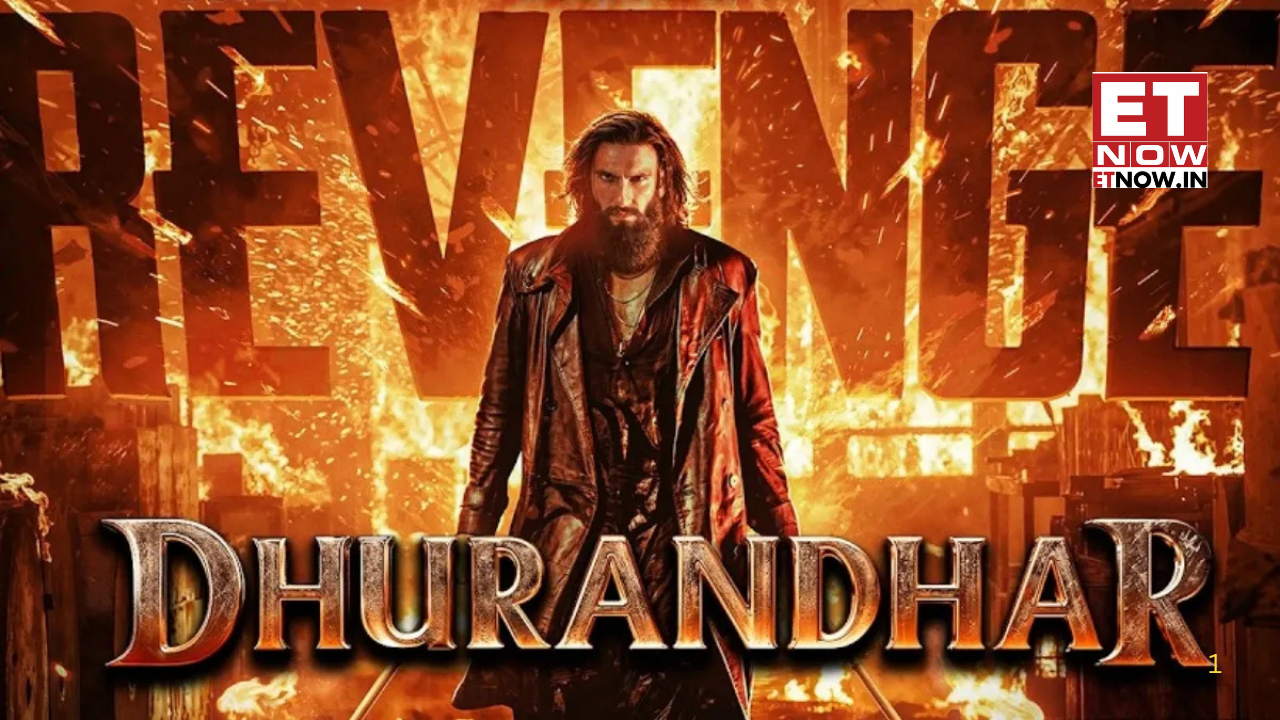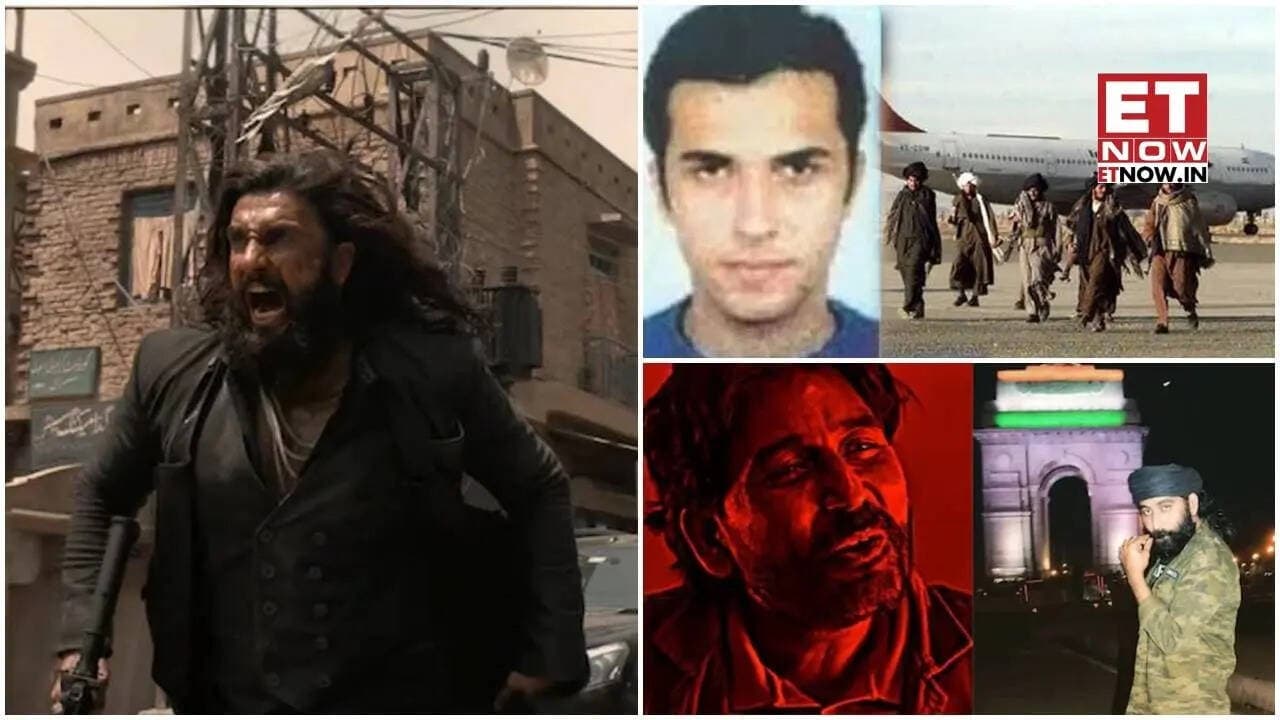
Who was Mistry Zahoor Ibrahim, aka Zahid Akhund? IC-814 hijacker shot dead in Karachi — Dhurandhar 2 reveals his role in India terror, Dawood Ibrahim links and the real reason behind his killing
Who was Mistry Zahoor Ibrahim: The story of Mistry Zahoor Ibrahim — better known by aliases like Zahoor Mistry and Zahid Akhund — reads less like a straight timeline and more like a long, unsettling echo of one of India’s most traumatic aviation crises. For years, his name stayed buried under layers of silence, intelligence reports and unofficial whispers, only to resurface dramatically after his killing in Karachi. Zahoor Mistry was one of the five terrorists involved in the hijacking of Indian Airlines flight IC-814 on December 24, 1999 — a crisis that shook India’s security establishment and remains deeply etched in public memory. The Kathmandu-to-Delhi flight, carrying 179 passengers and 11 crew members, was diverted across multiple locations — Amritsar, Lahore and Dubai — before finally landing in Kandahar, Afghanistan, then under Taliban control. Inside that aircraft, fear wasn’t abstract. It was brutal and immediate. Mistry, often described as the most violent among the hijackers, was responsible for the killing of passenger Rupin Katyal — a moment that changed the emotional tone of the crisis and intensified pressure on the Indian government. Who was Mistry Zahoor Ibrahim: The Kandahar crisis and the price India paid What followed was a tense hostage negotiation that ended with India releasing three jailed terrorists: Masood Azhar, Omar Sheikh and Mushtaq Zargar. That decision has been debated ever since — not just politically, but morally. For the hijackers, however, it marked the beginning of a different life — one shielded from accountability. Who was Mistry Zahoor Ibrahim: The hijackers were given safe passage out of Afghanistan They eventually found protection in PakistanMany of them resurfaced under new identities, quietly continuing their livesZahoor Mistry slipped into this shadow world seamlessly. Life as Zahid Akhund: A terrorist in hiding After the hijacking, Mistry reportedly lived in Karachi under the alias Zahid Akhund. He ran a seemingly ordinary furniture business — Crescent Furniture — in Akhtar Colony, blending into civilian life while carrying a violent past few could trace publicly. This duality — a man who once hijacked a plane now selling furniture — is exactly the kind of contradiction that fuels both intelligence narratives and cinematic storytelling. But beneath that ordinary facade, his past connections remained significant. Reports and investigations have often linked networks like Harkat-ul-Mujahideen and Jaish-e-Mohammed to broader terror ecosystems, with indirect overlaps pointing towards figures like Dawood Ibrahim’s syndicate — especially in matters of logistics, funding and safe passage. Shot dead in Karachi: What really happened? On March 1, Zahoor Mistry’s life came to a sudden end. He was shot at point-blank range inside his own furniture shop in Karachi. Two bike-borne attackers, masked and methodical, carried out what appeared to be a targeted killing. CCTV visuals reportedly showed prior reconnaissance, suggesting planning rather than spontaneity. What made the killing more striking was what followed — or rather, what didn’t. No clear claim of responsibilityNo detailed official explanation Who was Mistry Zahoor Ibrahim: Quiet handling despite his past His funeral, however, reportedly saw the presence of senior figures linked to Jaish-e-Mohammed, reinforcing the idea that his identity was never truly forgotten within those circles. The real reason behind his killing: Between silence and signals The absence of a clear narrative has only deepened speculation. While no official confirmation ties his death to a specific operation, the context is hard to ignore. Over recent years, several individuals linked to anti-India terror networks have been eliminated under mysterious circumstances in Pakistan. Analysts often point to a pattern — one that suggests long memory, delayed accountability and covert responses. In Mistry’s case, the “reason” lies somewhere between intelligence operations, internal rivalries and geopolitical messaging. It is not always about a single bullet. Sometimes, it is about what that bullet represents. How Dhurandhar introduced his story: A chilling beginning Aditya Dhar’s Dhurandhar didn’t just use history — it reimagined it with cinematic intensity. The first film opens with a hijacking sequence that unmistakably mirrors the IC-814 crisis. The character inspired by Zahoor Mistry is not just portrayed as a terrorist, but as a psychological antagonist — someone who mocks, provokes and challenges the very idea of Indian resilience. One of the film’s most talked-about moments features him taunting Ajay Sanyal (played by R Madhavan), calling Indians weak and daring him to act — a scene that establishes both personal and ideological conflict. It is less about one man and more about what he represents. Dhurandhar: The Revenge — rewriting the ending If the first film plants the seed, Dhurandhar: The Revenge delivers the payoff. The sequel continues this arc, imagining what justice might look like years later. Ajay Sanyal tracks down the man who once operated from across the border with impunity. What unfolds is not just action — it is closure. In a powerful fictional moment, Sanyal forces the antagonist to chant “Bharat Mata Ki Jai” before killing him — a scene designed to symbolise reversal of power, reclaiming of dignity and emotional justice. While dramatised, the sequence resonates because it draws from a real wound. Fact, fiction and the space in between It is important to understand where reality ends and cinema begins. Zahoor Mistry was indeed a real figure — a hijacker, a fugitive and later a man living under a false identity in Pakistan. His killing in Karachi remains a documented event, though surrounded by unanswered questions. What Dhurandhar does is take that unfinished story and give it a narrative conclusion — one that may not be factual in detail, but feels emotionally convincing to its audience. More than two decades after the IC-814 hijacking, Zahoor Mistry’s life and death continue to hold relevance. Not just because of what he did, but because of what followed — the gaps, the silence and the eventual reckoning.His story sits at the intersection of history, intelligence and storytelling. And through films like Dhurandhar, it finds a new audience — one that may not remember 1999, but understands the weight of unresolved justice. In the end, whether seen through news reports or cinema, the question remains the same: Not just how he died — but why it took so long